
Table of Contents
Advancing Knowledge Through Translational Research
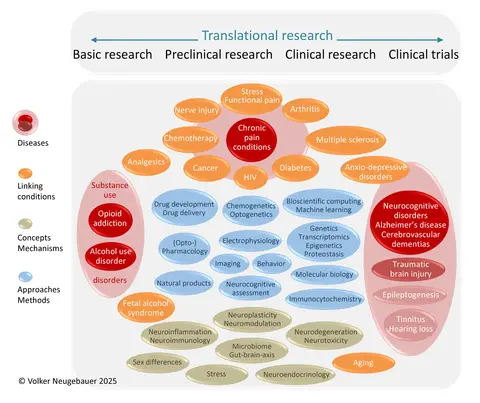
Translational research bridges basic sciences and clinical entities. Disease mechanisms and therapeutic targets are identified in basic experimental research by integrating clinical concepts. Validation in the clinical setting conveys significance to these findings, advancing knowledge and creating novel and improved therapeutic tools and strategies.
Goal
The overall goal of The Center of Excellence for Translational Neuroscience and Therapeutics (CTNT) is to serve as an incubator for the generation and dissemination of knowledge related to the neurobiology of clinically relevant disorders. CTNT strives to generate, facilitate, and coordinate multidisciplinary efforts to build bridges between basic science and clinical departments required for the development of novel and improved diagnostic and therapeutic tools and strategies.
Mission
The Center will advance our knowledge of mechanisms of nervous system functions and dysfunctions and neuropsychiatric disorders, which is essential for diagnostic and therapeutic advances. The Center will provide means and mechanisms to meet requirements for successful competitive grant applications at the national level. Therefore, the mission of the Center supports the strategic objectives and academic mission of the School and TTUHSC to enhance research and education.
Why Translational Neuroscience Matters
Comprised of a complex network of billions of nerve cells the nervous system regulates and coordinates important body functions and accounts for amazing sensory, motor, emotional-affective and cognitive capabilities. Disorders affecting or arising from nervous system dysfunctions represent a major health care problem in this country and worldwide. Therefore, there is a great need for the better understanding of disease mechanisms to develop novel and improved diagnostic and therapeutic strategies. Research on complex nervous system dysfunctions and disorders requires a concerted effort of basic scientists and clinicians from various disciplines and specialties. CTNT serves as a bridge between basic research and clinical entities in the area of nervous system functions and disorders.
Fostering Collaboration Across Disciplines
CTNT provides the infrastructure and expertise for multidisciplinary translational research from molecular to systems levels and to clinical disciplines. Multidisciplinary partnerships through the Center will enhance the ability of faculty to achieve what is unlikely feasible at the single individual level. Participating faculty will benefit from the exposure to novel concepts, diverse scientific view points, and a variety of approaches and technologies through discussions and collaborations.
Components
- Translational Neuroscience and Pharmacology Lecture Series
- Grant Development Program (Translational Research Club)
- Seed funds for collaborative translational research projects.
- Neurophysiology Core Laboratory, housing equipment for state-of-the art behavioral assays, stereotaxic instruments, electrophysiology in vivo and in vitro, laser- and LED-based optogenetics systems and a multiphoton imaging system, which are available to CTNT faculty to generate critical data for collaborative translational research projects.
Help Drive Innovation in Neuroscience and Therapeutics
To make a donation to the Center of Excellence for Translational Neuroscience and Therapeutics (CTNT), via credit or debit card please click here. You will be directed to Texas Tech University Health Sciences Center System's online giving website.
Director
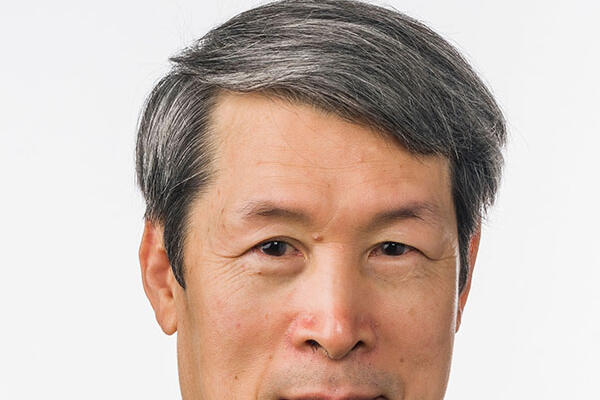
Hongmin Wang
Professor, Director
CTNT Membership & Leadership
The Center of Excellence for Translational Neuroscience and Therapeutics (CTNT) members are expected to have an active laboratory and funded research program. They propose joint scholarly projects and may request seed funds for publications and grant applications
Associate, Clinical, and Trainee members are encouraged to participate in CTNT scholarly and research activities, suggest research ideas for joint scholarly projects and/or provide the clinical perspective. If interested in joining CTNT please email CTNT Director, Dr. Volker Neugebauer at volker.neugebauer@ttuhsc.edu
-
Igor Ponomarev, Ph.D.
Associate Professor, Pharmacology and Neuroscience, TTUHSC -
Michelle Beltran
CTNT Coordinator
(806) 743-4199
michelle.beltran@ttuhsc.edu -
Volker Neugebauer, M.D., Ph.D.
Professor and Chair, Dept. of Pharmacology and Neuroscience, TTUHSC -
Miles Day, M.D.
Professor, Dept. of Anesthesiology, Director, Pain Fellowship Program, Director, International Pain Center, TTUHSCJohn DeToledo, M.D.
Professor and Dean, School of Medicine, TTUHSCSarah Wakefield, M.D.
Professor and Chair, Dept. of Psychiatry,
Director, Child and Adolescent Psychiatry services, TTUHSC -
Boris Decourt, Ph.D.
Assistant Professor, Dept. of Pharmacology & Neuroscience, TTUHSCJosee Guindon, DVM, Ph.D.
Associate Professor, Dept. of Pharmacology & Neuroscience, TTUHSCAndrey Karamyshev, Ph.D.
Professor, Dept. of Cell Biology and BiochemistryJ. Josh Lawrence, Ph.D.
Associate Professor, Dept. of Pharmacology & Neuroscience, TTUHSCLance McMahon, MS, Ph.D.
Senior Vice President for Research and Innovation, TTUHSCLeslie Shen, Ph.D.
Professor, Dept. of Pathology, TTUHSC -
Luis Cuello, Ph.D.
Professor, Cell Physiology and Molecular Biophysics, TTUHSC
Research expertise/interest: How do conformational changes of ion channel structures define their biological function?
Keywords: Thermodynamic, ion channel kinetics, protein structure, crystallography, electrophysiology, fluorescence spectroscopy, continuous wave electron paramagnetic resonance spectroscopy, isothermal titration calorimetry and microscale thermophoresis.Boris Decourt, Ph.D.
Assistant Professor, Pharmacology and Neuroscience, TTUHSC
Research Interests: Neurobiologist specializing in biomarker development and in translational drug development approaches using inflammation modulators to study the molecular pathophysiological changes taking place at early stages of neurological disorders, with the ultimate goal of slowing down or curing the diseases via early intervention before severe neurodegeneration and dementia occur.Petar Grozdanov, Ph.D.
Assistant Professor, Pharmacology and Neuroscience, TTUHSC
Keywords: Regulation of gene expression by alternative polyadenylation, Molecular mechanisms of alternative polyadenylation, Alcohol use disorder, Alzheimer's disease, Intellectual disability syndromes, Epilepsy, Neurodegenerative diseases, Aging.Nadia German, Ph.D.
Associate Professor, Pharmaceutical Sciences, School of Pharmacy, TTUHSC-Amarillo
Keywords: Design and synthesis of GPCR ligands, particularly opioid receptor ligands, for the treatment of neuropathic pain, depression, addiction, and alcoholism. Design, synthesis and pharmacological evaluation of compounds as potential treatment of triple-negative breast cancer (TNBC).Josee Guindon, D.V.M., Ph.D.
Associate Professor, Pharmacology and Neuroscience, TTUHSC
Research Interests: Behavioral pharmacology, immunohistochemistry, molecular biology (RT-PCR, Western blot), animal pain models (inflammatory, neuropathic, surgical), modulation of pain pathways (exercise, etc.), kidney physiological pathwaysBreanna N. Harris, Ph.D.
Assistant Professor, Biological Sciences, TTU
Research Expertise/Interest: stress-responses at various biological levels in health, anxiety, feeding, and risk-taking behaviors, reproduction, cognitive function, and aging, in animals and humansGeorge Henderson, Ph.D.
Professor, Pharmacology and Neuroscience, TTUHSC
Research Interests: Alcohol, environmental toxins, neurons, gila, apoptosis, oxidative stressMichaela Jansen, Ph.D.
Professor, Cell Physiology and Molecular Biophysics, Associate Dean for Medical Education and Accreditation, TTUHSC
Research Expertise/Interest: Mechanisms, functions and drug targets of neurotransmitter receptors and their protein networks. Mechanisms of clinically used drugs and novel drug target discovery and characterization.
Keywords: Drug targets, protein-protein interactions, molecular pharmacology, molecular biology, pharmacologyGuangchen Ji, Ph.D.
Research Associate Professor, Pharmacology and Neuroscience, TTUHSC
Research Interests: Electrophysiological single-cell recordings in different brain areas and various behavioral assays to correlate neuronal activity with pain-related behaviorAndrey Karamyshev, Ph.D.
Associate Professor, Cell Biology and Biochemistry, TTUHSC
Research Expertise/Interest: Molecular mechanisms of human diseases, neurodegenerative disorders, regulation of protein synthesis and protein transport.
Keywords: Molecular and cellular biology; human diseases; neurodegenerative disorders; translational control; protein synthesis; ribosome; RNA stability and degradation; protein quality controlZemfira Karamysheva, Ph.D.
Associate Professor, Cell Biology and Biochemistry, TTUHSC
Research Expertise/Interest: mRNA translation and ribosome specialization and their dysregulation in human diseases, including neurodegenerative and other neurological diseases, as well as translational control in drug resistanceIrene La-Beck, PharmD
Assistant Professor, Immunotherapeutics & Biotechnology, TTUHSC-Abilene
Keywords: Drug delivery, immunotherapy, cancer chemotherapyJ. Josh Lawrence, Ph.D.
Associate Professor, Pharmacology and Neuroscience, TTUHSC
Research Expertise/Interest: nutritional deficiencies, excitation/inhibition balance in disease states, hippocampal neuromodulation, aging, Alzheimer’s disease, epilepsy, autism.Hongjun Liang, Ph.D.
Professor, Cell Physiology and Molecular Biophysics, TTUHSC
Keywords: Membrane biophysics and bioengineering; understanding and controlling the recognition and transport across nanosacale membrane boundaries. Membrane-based bionanotechnology.Aric Logsdon, Ph.D.
Assistant Professor, Pharmacology and Neuroscience, TTUHSC
Research Expertise/Interest: Blood-brain Barrier Physiology, Traumatic Brain Injury and Stroke, Neuroinflammation and Neurodegeneration, Alzheimer's Disease and Related Dementias, Neuropharmacology and Brain-drug Delivery, Glycobiology and GlycomicsClinton MacDonald, Ph.D.
Professor, Cell Biology and Biochemistry, TTUHSC
Research Expertise/Interest: Mechanisms tissue-specific mRNA polyadenylation including brain and testis. Molecular biology of X-linked intellectual disability. Mechanisms of mRNA processing in spermatogenesis.
Keywords: Gene expression, molecular biology, mRNA processing, polyadenylation, neurodevelopment, spermatogenesisLance McMahon, Ph.D.
Professor, SOP, Senior Vice President for Research and Innovation, TTUHSC
Keywords: Behavioral and physiological approaches, receptor-selective ligands, and quantitative analyses of drug interactions; pharmacological classes of abused drugs.Volker Neugebauer, M.D., Ph.D.
Professor and Chair, Pharmacology and Neuroscience, TTUHSC, Executive Director, Garrison Institute on Aging, TTUHSC
Research Expertise/Interest: Brain research, neuroplasticity in health and disease; chronic pain and opioids, neurodegenerative diseases (Alzheimer’s disease), anxio-depressive comorbidities; preclinical models and approaches, human tissue analyses, studies and interventions in humans.Igor Ponomarev, Ph.D.
Associate Professor, Pharmacology and Neuroscience, TTUHSC
Research Interests: Molecular mechanisms of cellular plasticity in models of Alcohol Use Disorder. Neurogenomics. Drug repurposing.Andrew Shin, Ph.D.
Assistant Professor, Nutritional Sciences, TTU
Research: Understanding how the brain controls metabolism and nutrient partitioning as well as the long-term regulation of body weight and appetite and the underlying mechanisms of Roux-en-Y gastric bypass (RYGB) surgery. Understanding the role of insulin action in the brain in regulating branched-chain amino acid (BCAA) metabolism and how this central control can contribute to glucose homeostasis by using molecular, pharmacological, transgenic, surgical, and integrative physiological approaches
Keywords: neuroendocrinology, inter-organ crosstalk, gut hormones, satiety hormones, obesity, diabetes, neurodegeneration, gut microbiota, HPA axis, brain manipulation, opto/chemogenetics, autonomic denervation, pancreatic clamps, other integrative physiological and behavioral in vivo tests, metabolism, obesity, diabetes, bariatric surgery, brain function, and neurodegenerative diseasesJenny Wilkerson, Ph.D.
Assistant Professor, Pharmaceutical Sciences, TTUHSC-Amarillo
Research: Pain, Drug addiction/dependence, natural product drug development
Keywords: peripheral neuropathic pain, cancer pain, drug dependence/abuse, drug discoveryHongmin Wang, Ph.D.
Professor, Pharmacology and Neuroscience, TTUHSC
Research Interests: My research focuses on neuroprotection and repair of the damaged brain involved in Alzheimer’s disease and ischemic stroke. We are particularly interested in the role of proteostasis and some specific transcription factors in the pathogenesis of these diseases. Using both genetically modified mice and cell models, including the cultured stem cells, as well as multiple approaches, we aim at (1) investigating the pathogenic mechanisms of the diseases, (2) identifying the targets that can be “druggable” for the disorders, and (3) screening and validating the therapeutic agents that can be used for treating these diseases.
Keywords: Alzheimer’s disease, ischemic stroke, proteostasis, neurodegeneration, neuroinflammation, neuroprotection, therapeutics. -
Mirla Avila, M.D.
Associate Professor, Neurology, TTUHSC
Keywords:Neuroimmunology, Multiple SclerosisJeremy Bailoo, Ph.D.
Assistant Professor, Cell Biology and Biochemistry, TTUHSC
Keywords: Animal Welfare, Animal Cognition, Behavioral Neuroscience, Environmental Toxicology, Research Ethics and PolicyMichael Blanton, Ph.D.
Professor, Pharmacology and Neuroscience, Sr. Associate Dean, Graduate School of Biomedical Sciences, Director, MD/PhD Program, TTUHSCChhanda Bose, Ph.D.
Research Associate Professor, Pharmacology and Neuroscience, TTUHSC
Research Expertise/Interests: Neuroinflammation, DNA damage, oxidative stress, and mitochondrial dysfunction. Cellular mechanisms, molecular mechanisms, cognitive aspects, and genetic factors involved in neuroinflammation in pathogenesis and progression of cancer, Alzheimer’s disease (AD), and other neurodegenerative diseases. Early events in AD pathogenesis. The role of immunological biomarkers for early detection in AD.Ryan Brown, Ph.D.
Assistant Professor, Human Development and Family Sciences, TTU
Keywords: psychoneuroimmunology, stress measurement, biopsychosocial mechanisms underlying health disparities across the lifespan, grief/loss, and hormetic stress interventionsHui Chen, Ph.D.
Assistant Professor, Chemistry and Biochemistry, TTU
Research Expertise/Interest: "Biochemical Sensing”, the long-term goal of his “Accessible Diagnostic Research Lab” is to develop accessible, user-friendly, fast, and cost-effective diagnostic tools, motived by addressing healthcare disparities.
Keywords: Point of care testing, smart molecular switch, microfluidics, biomimicking sensors, molecular imaging, chemical educationMiles Day, M.D.
Professor, Anesthesiology, Director, Pain Fellowship Program, Director International Pain Center, TTUHSC
Research Expertise/Interest: The interventional treatment of complex facial pain.John DeToledo, M.D.
Professor and Dean, School of Medicine, TTUHSCJeremy Donai, AuD, Ph.D.
Associate Professor and Audiology Program Director, Speech-Language-Hearing Sciences, School of Health Professions, TTUHSC
Keywords: High-frequency speech energy, amplification, psychoacoustics, audiology business practiceChanaka Kahathuduwa, MBBS, Ph.D.
Resident Physician, Neurology, TTUHSC
Affiliate Faculty, Dept. of Human Development and Family Studies, TTU
Keywords: Neurophysiological mechanisms regulating human obesity and ingestive behavior; complimentary interventions for mental health disorders; clinical neurophysiology; functional neuroimaging; cognitive neuroscience; human obesity; biostatisticsHui Ying Luk, Ph.D., CSCS*D
Assistant Professor, Kinesiology and Sport Management, TTU
Keywords: Effect of different exercises (e.g., resistance and endurance exercise in extreme environments) on immune and hormonal response; effect of post-exercise binge alcohol drinking on physical performance and inflammatory capacityEmily Pereira, Ph.D.
Assistant Professor, Electrical and Computer Engineering, TTU
Research Expertise/Interest: control theory, complex networks, cyber-neural systems, neuroscience, designing and analyzing novel control strategies, algorithms, and statistical learning tools to better understand complex dynamical networks, such as the brain including epilepsyAdam Schmidt, Ph.D.
Assistant Professor, Psychological Sciences, TTU
Keywords: Neuropsychology, child psychology, and forensic psychology. Interactions between cognitive abilities, neurobiology, and psychosocial environment on positive development; role of psychopathology and neurocognitive functioning in the outcomes of justice-involved youth; and impace of protective factors on treatment response.Leslie Shen, Ph.D.
Professor, Pathology, Director, Center of Excellence for Integrative Health, TTUHSC
Keywords: Dietary supplement/phytochemicals and exercise in musculoskeletal health and obesity related chronic diseases.Jonathan Singer, Ph.D.
Assistant Professor, Psychological Sciences, TTU, Clinical Assistant Professor, Psychiatry, TTUHSC
Keywords: Psychological health in aging and illness. More specifically, we examine the interconnection of the biopsychosocial processes within individuals with life limiting illnesses (e.g., cancer; dementia) and their caregivers. Using multiple methods (e.g., Ecological Momentary Assessment) with advanced quantitative techniques (e.g., Multilevel Modeling; Growth Mixture Modeling), the ultimate goal of our research program is to translate basic and applied research into scalable, technology-based interventions.Travis Thompson, Ph.D.
Assistant Professor, Mathematics and Statistics, TTU
Research Expertise/Interest: Dr. Thompson uses mathematics, computing and machine learning to understand the brain, metabolic and age-related neuropathologies, like Alzheimer's disease.
Keywords: Mathematical modeling, Scientific computing, Machine learning, Metabolic disorders, Neurodegenerative diseasesMiguel Torrero-García, Ph.D.
Assistant Professor, Biological Sciences, TTU
Research Expertise/Interest: Developmental neurobiology ranging from research on the generation of neural cell identity to brain-wide circuit connectivity of molecularly defined neuronal populations.Sarah Wakefield, M.D.
Professor and Chair, Psychiatry, Director, Child and Adolescent Psychiatry Services, TTUHSC
Research Expertise/Interest: Mental health, mental health of justice involved youth, perinatal mental health, youth depression and suicide.Henrik Wilms, M.D., Ph.D.
Abraham Tarbox Chair for Neurodegenerative Diseases, CH-Foundation Chair in Parkinson's Disease Research, Associate Professor, Neurology, TTUHSC
Keywords: Parkinson's, Tremors, Movement disordersKai Wu, Ph.D.
Assistant Professor, Electrical & Computer Engineering, TTU
Research Expertise/Interest: Magnetic nanomaterials and devices for biomedical applications, engineering solutions for neuroscience such as magnetic sensors for wearable and implantable neural signal recording. magnetogenetics, where magnetic nanoparticles are engineered to trigger localized stimulation of neurons, remotely controlled by magnetic fields. -
Peyton Presto, M.D./Ph.D. Student
Department of Pharmacology and NeuroscienceBrent Kisby, Ph.D. Student
Department of Pharmacology and Neuroscience
Keywords: brain microvasculature, neuroimmune, ethanol drinkingDamla Yagmur, M.D., Clinical Fellow
Department of Geriatric Medicine