

TTUHSC Wellness Center

As part of the Texas Tech University Health Sciences Center Wellness Initiative, the Office of Institutional Health & Wellness (OIH) encourages and supports TTUHSC students, residents, staff, and faculty to build positive daily habits that will improve their quality of life and their overall mental health. 

Foundational to the promotion of wellness are the mutually co-dependent dimensions of wellness - Occupational, Emotional, Financial, Physical, Intellectual, Social, Environmental, Spiritual, and Digital. If any one of these dimensions are neglected, over time, it will adversely affect one's health, quality of life, and well-being. 

The interconnected and interdependency of the wellness dimensions require a well-rounded balance of these dimensions to provide holistic harmony for one's personal well-being. To promote health habits to improve one's quality of life, the multi-dimensional wellness approach focuses on emphasizing the importance of positivity and internal motivation.
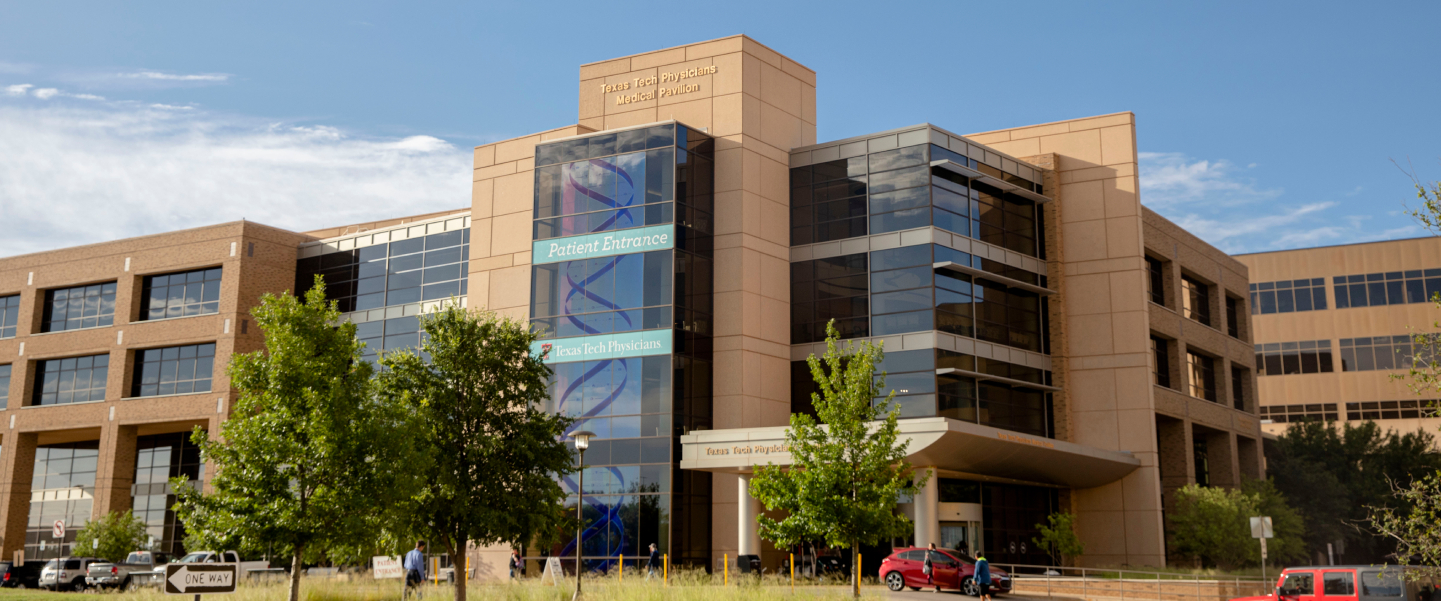
OIH Wellness Center (1A150)

The Wellness Center provides TTUHSC employees and students with a quiet, restorative space to relax, recharge, and support their overall well-being. Amenities include a massage chair, oxygen bar, red light therapy, calming lighting and sounds, aromatherapy, coloring activities, and wellness resources designed to reduce stress, improve focus, and promote physical and mental wellness.

The Wellness Room and Red Light Therapy Room are available by appointment through the 25Live scheduling system using an eRaider account. First-time visitors must complete an Acknowledgement and Release Form before their appointment. Departments and student programs may also reserve the Wellness Center or request mobile wellness amenities for campus events by calling (806) 743-4020.

Book a Wellness Session

Scheduling Tips

If the scheduling tool does not show the room during the date/time you enter, then it is already booked.  It will appear ONLY when available. The appointments are only for 30 minute intervals. At this time, we recommend scheduling 2-3 days out due to the increased demand. If you cannot make your appointment, go into the scheduling tool to cancel your appointment or call our office in advance to let us know.  Please be mindful of others who are wanting to schedule if you are not able to come to your appointment by canceling it.  

Foundations of Wellness & Wellbeing

BrightSpace Badge Online Course

Ready to invest in a better understanding of your health, balance, and overall well-being? We are excited to announce that registration is now open for our Foundations of Wellness & Wellbeing badge course The 9 Components of Wellness:  A Journey Toward Whole-Person Health.

This engaging online course is designed to help you to build a strong understanding of whole-person wellness. Participants will explore key components of wellness and learn practical strategies to enhance their everyday life. Whether you are looking to improve personal wellness, support others, or begin your journey toward a more meaningful relationship supporting others in their wellness journey, this course will provide a better understanding and self-reflection of wellness, well-being, and whole-person health. 

Click the link to register. Take your first step toward a healthier and more balanced you.

Register Now

Additional Wellness Resources

The Counseling Center @ TTUHSC

The Counseling Center @TTUHSC offers the Employee Assistance Program (EAP) which is an employer-provided benefit that offers free, confidential counseling for employees, their spouses, and minor children through individual, couple, or family sessions. Depending on your employer, you may receive 6–8 counseling sessions, with referrals available for ongoing care if needed. Licensed by the State of Texas, EAP counselors provide support for concerns such as stress, anxiety, depression, grief, relationship and family challenges, workplace issues, substance use, trauma, self-esteem, career decisions, and overall life satisfaction, with all services protected by state confidentiality laws.

Check out more mental health resources

Dimensions of Wellness

  • Encompasses all aspects of well-being pertaining to personal satisfaction in your job/career

    • Developing effective job-related skills such as time management, communication skills including active listening, leadership, teamwork, collaboration, willingness to learn, problem solving, resilience, accountability, and conflict resolution
    • Exploring your interests, skills, values, and needs on how they relate to your career choice
    • Understanding the relationship between your career choice and other parts of your life including time with friends/family, leisure activities, etc.
    • Understanding that many people can and do change their career direction throughout their lives
    • Choosing a career that reflects your values, preferences, interests, and skills
  • Encompasses the knowledge and skills to identify personal feelings and the ability to handle emotions when coping effectively with life and creating satisfying relationships

    • Developing assertiveness and confrontation skills
    • Developing, establishing, and maintaining intimate and loving relationships
    • Developing the skills to handle stress, irritations, crises, etc.
    • Being more aware of your feelings and accepting them as valid indicators of what you are experiencing
    • Developing the ability to experience and appropriately expressing a wide range of emotions
    • Developing positive feelings about yourself when establishing healthy self-esteem, self-concept, and understanding yourself
  • Incorporates all aspects of well-being pertaining to finances including knowledge and skills of financial planning and managing expenses

    • Setting and making progress toward your short-term and long-term goals
    • Knowing resources available to you if you are experiencing financial issues such as food insecurity, homelessness, economic crisis, or financial management
    • Handling finances without too much stress
    • Understanding how to manage a budget, credit cards, checking and savings accounts, investments, retirement funds, etc.
    • Learning how to gain control of your finances so they work for you
  • Consists of the ability to recognize the need to care for your body to stay healthy now and for the future through physical activity, healthy foods, and sleep as well as preventing illness or injury and/or managing chronic health conditions

    • Feeling competent in physical activity
    • Developing well-balanced and healthy eating habits
    • Developing and cultivating leisure activities
    • Understand how the lack of sleep, stress, or non-activity affects your body
    • Feeling comfortable with your physical appearance
    • Understanding how and why your body works the way it does
    • Seeking medical care when needed for illness, injury and preventative care
    • Engaging in regular movements improving flexibility, strength, aerobic, and cardiovascular health
  • Encompasses all aspects of well-being pertaining to brain health and growth via thought-provoking mental activities

    • Developing a love for learning philosophy for "life-long learning"
    • Expanding your ability to create, develop, analyze, critique, problem solve, comprehend, concentrate, understand, predict, etc.
    • Striving to be open to new experiences and ideas in all areas of your life
    • Being confident in intellectual and academic activities by improving your skills in academics, studying, time management, stress management, listening, and public speaking
  • Encompasses all aspects of well-being pertaining to social connections, relationships, and personal expression to optimize your social wellness status to positively impact your overall health and wellness

    • Developing the ability to create and maintain close friendships
    • Developing global consciousness when recognizing inter-relatedness of cultural, global and international issues and needs
    • Understanding and accepting those with different race, ethnicity, religion, socioeconomic status, life experiences, sexual orientation, and gender identity
    • Being comfortable interacting with diverse individuals and groups
    • Working to become a responsible community citizen and leader
  • Encompasses all areas of health that relate to the environment as well as how the environment impacts human health 

    • Showing concern about the future of the local, national, and world ecology and climate through active involvement 
    • Redesigning your environments to more effectively support and reinforce your needs such as eco-friendly considerations
    • Minimizing your contribution to the destruction of the outdoor environment through active participation in recycling and proper disposal of electronics and medicine, energy, fuel, and water conservation, and using sustainable products
    • Becoming more aware of how your external environment affects you
  • Involves all aspects of well-being pertaining to the search for purpose and meaning in life which may include the belief in a higher power but does not have to be aligned with a religion

    • Questioning and clarifying your values 
    • Searching for meaning in your own life
    • Exploring the issues related to mortality and your own life and death
    • Developing integrity in ways that are consistent with your values
    • Becoming aware of the differences in others' values
    • Exploring your personal values
  • Encompasses all aspects of the use of technology in a positive state of mental, physical, and social-emotional health pursued through a balanced engagement and healthy relationship with technology and interactive media, both in the workplace and in personal life

    • Being more mindful of unforeseen mental health impacts in regard to endless scrolling on social media platforms 
    • Considering the impact of virtual presence and the use of technology on your overall well-being
    • Taking steps to create sustainable habits to support your values, goals, community, and safety
    • Moderating your technology usage to avoid burnout, attention issues, and behavior problems to promote healthier life and work relationships
    • Promoting digital wellness with implementation of screen time limits, using blue-light-blocking glasses for alleviating eyestrain, and muting notifications to prevent interruptions in order to encourage focus, reduce distraction, reduce worker exhaustion and improve engagement and productivity
    • Choosing to focus on face-to-face meetings, brainstorming, and other mindfulness activities

Suicide Prevention

Warning signs that someone may be experiencing suicidal thoughts can include talking about wanting to die or harm themselves, searching for ways to end their life, obtaining means such as firearms or large amounts of medication, or expressing feelings of emptiness, hopelessness, being trapped, or being a burden to others. Other signs may include increased alcohol or drug use, anxiety, agitation, reckless behavior, changes in sleep patterns, withdrawing from loved ones, expressing anger or thoughts of revenge, extreme mood swings, or saying goodbye and making arrangements for their affairs. If you notice these signs in yourself or someone else, seek support and help immediately.


Suicide Prevention Resources

  • Suicide Prevention online from Texas Health & Human Services
  • Call 2-1-1 and press 8
  • If you call 9-1-1, ask for a mental health officer
  • Local mental health authority crisis numbers online
  • National Suicide Prevention Lifeline 24/7 - Visit online or call or text 988
  • Veterans Crisis Line - call 800-327-8255 and press 1
  • Crisis Text Line - Visit online or text TX to 741-741
  • Trevor Project (LGBTQ young people) - chat online, call 866-488-7626 or text START to 678678

It's very important to act right away.

1.  Ask about thoughts or plans for suicide: "Are you having thoughts about suicide?" "Are you thinking about killing yourself?"
2.  Listen and be nonjudgmental.  Let them know you care about them.
3.  Believe what they say.  Take words and actions seriously.
4.  Offer hope.  Help them think of reasons to live or ways to keep safe.
5.  Get help.  Stay with them until help is available.

Contact Us

Office of Institutional Health & Wellness

Book a Wellness Session
  • Address

    3601 4th Street
Lubbock
    Lubbock, TX 79430
    United States

  • Location

    Wellness Room: 1A150C