

Mission Statement
The STAR Program of Lubbock, Inc. strives to maximize communication abilities and life participation for persons and their families who are affected by aphasia and other communication challenges.
Vision Statement
Communication access for all.
Overview
-
The STAR Program is a community outreach program for persons with aphasia and their care partners.
Goals:
- Improve speech and language, including reading and/or writing.
- Reduce the negative effects of aphasia on communication.
- Promote living successfully with aphasia.
Members Discuss:
- Life experiences
- Current events
- Common interest topics
Image
-
The STAR Program meets at Texas Tech Health Sciences Center
Speech-Language-Hearing Clinic–Suite 2A300
(2nd floor, south of cafeteria)
3601 4th St. Lubbock, TX 79430Image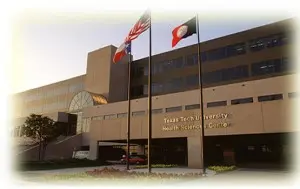
-
The STAR Program meets every Tuesday from 10-11 am from September through May.
Image
-
If you, a family member, or a friend would like to participate in STAR, call 806-743-9050.
Image
What is Aphasia?
A brain injury, such as a stroke, can damage the left side of the brain. This damage can cause aphasia. People with aphasia are intelligent and know what they want to say. If you have aphasia, it may be hard to:
|
Image

Talk |
Image
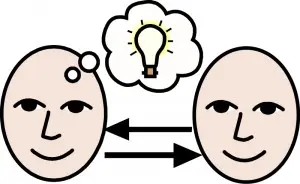
Understand Speech |
Image

Read |
Image

Write |
People with aphasia often have other communication problems, such as:
Dysarthia:
- Weak speech muscles make speech sound slushy
Apraxia of Speech (AOS):
- Problems making the movements of speech, such as:
- Problems starting the movement.
- Problems planning the movement.
- Problems getting the movement in the right order.
Aphasia Definition by the Experts
The National Aphasia Association States:
- Aphasia is an acquired communication disorder that impairs a person’s ability to process language, but does not affect intelligence.
- Visit www.aphasia.org to find out more about the National Aphasia Association!
The Harvard Health Publication reads:
- Aphasia involves difficulty speaking or comprehending language; a common occurrence after a stroke affecting the left hemisphere of the brain, where language is processed.
For the Person with Aphasia:
-
- Get rid of distractions. For example, turn off the T.V.
- Look at the speaker and watch their mouth.
- Watch the speaker’s gestures and face for clues.
- If you don’t understand, ask the speaker to “Say that again.”
-
- Take your time.
- If you can’t find the exact word, talk around the word.
- Use any means to get your message across.
- Gesture.
- Draw.
- Write the first letter of a word.
- Ask your partner if he or she understands you.
-
- Speak slowly.
- Repeat the message or say it in a different way.
- Show pictures or actual objects.
- Write down the message.
-
Image
Wired Warriors
Image
Wise Guys
Image
Chatterboxes
Image
Minds of the Round Table
Image
Pilgrim Progress
Image
Onward & Upward
Image
Wolf Pack
Image
Incredibles
Image
Care Partners Network
Image
Happy Faces
Image
Stroke of Genius
Image
Care Partners Connect
Suggested Readings
Books
- My Stroke: 450 Days from Severe Aphasia to Speaking, Reading & Writing by Donald F. Weinstein, Ph.D
- Finding Another Voice: Moments of Wonder A collection of inspirational and motivational poetry by Leonard Zion
- The Aphasia Handbook : A Guide for Stroke and Brain Injury Survivors and Their Families–Edited and adapted by Martha Taylor Sarno, MA, MD (hon) and Joan F. Peters
- One Hundred Names for Love by Diane Ackerman
Many of the resources listed can be purchased at http://www.aphasia.org/helpful-materials/

Suggested Movies
Movies
- “EMPOWER: Living Well With Aphasia”
- “It’s Still Me: A Guide for People with Aphasia & Their Loved Ones”
- “Hope is a Four Letter Word”
- “After Words”
- Many of the resources listed can be purchased at http://www.aphasia.org/helpful-materials/

Websites
- American Speech-Language-Hearing Association (ASHA) www.asha.org
- National Aphasia Association www.aphasia.org
- Aphasia Hope www.aphasiahope.org
- Canada Aphasia Institute www.aphasia.ca
- Aphasia Access www.aphasiaaccess.org
How to Help
The STAR Program is designed for individuals who have reached the point of medical discharge and are looking for more long-term rehabilitative options. The STAR program is a community outreach program for people with aphasia and their care partners.
The STAR Program is funded by the Speech, Language, and Hearing Sciences Adult Patient Services Endowment fund. This fund is managed by the Texas Tech University Health Sciences Center Office of Institutional Advancement.
If you would like to donate to the STAR Program
If you would like to donate to the STAR Program, follow the link below: