


Program Overview
This is a 72 hour program. Students must complete 48 didactic hours, 12 research hours, and 12 dissertation hours in order to meet graduation requirements.
Year 1 Overview
- Fall Semester:
- Complete the core curriculum, including GSBS 5275: Introduction to Biomedical Research.
- Explore concentration-specific research opportunities during the first four weeks of GSBS 5275.
- Participate in two 5-week lab rotations to identify your research interests and potential mentors.
- Mentor and concentration selection begins after the Fall semester and must be finalized by the end of Spring.
- Spring Semester:
- Register for a concentration seminar, advanced coursework, GSBS 5098: Techniques in Biomedical Research (6 credit hours), and GSBS 5101: Responsible Conduct of Research.
- Additional lab rotations may be completed if needed.
Course Recommendations and Preparation
A strong foundation in life sciences is key to success. While coursework is flexible, most successful students have taken:
- Biology
- Chemistry (including Organic Chemistry)
- Physics
- Calculus
- Biochemistry
- Molecular Biology or Genetics
- Cell Biology
- Physiology
- Advanced Biological Sciences or Chemistry
Additional Support
Take time to review concentration guidelines and expectations as you make your decisions. Our team, including the concentration advisors and Student Affairs Advocate, is here to provide guidance every step of the way.
We’re excited to support you on this journey as you discover your passion and set the foundation for a fulfilling research career!
- 4-5 Years estimated time to completion
- 5-25 estimated class size
Curriculum & Concentrations
-
Year 1
Fall
GSBS 5471 - Core I: Molecules
GSBS 5372 - Core II: Cells
GSBS 5373 - Core III: Genes
GSBS 5174 - Core IV: Biomedical Seminar
GSBS 5275 - Core V: Introduction to Biomedical Seminar
Spring
GBCM 7101 - Seminar
GSBS 5101 - Responsible Conduct of Research
GSBS 5098 - Techniques in Biomedical Research (6 Credit Hours)& Choose two of three electives:
- GBCM 6320 - Advanced Cell Biology
- GBCM 6333 - Advanced Protein Chemistry
- GBTC 5340 - Biology of Cancer
Summer
GSBS 7000 - Research
Year 2
Fall
GBCM 7101- Seminar
GBCM 7000 - ResearchSpring
GBCM 5130 - Research Presentation Skills
GBCM 7101 - Seminar
GBCM 7000 - ResearchSummer
GBCM 7000 - Research
Year 3
Fall
GBCM 7101 - Seminar
GBCM 8000 - DissertationSpring
GBCM 5130 - Research Presentation Skills
GBCM 7101 - Seminar
GBCM 8000 - DissertationSummer
GBCM 8000 - Dissertation*Students in the BCMB Ph.D. concentration must pass their qualifying exam before the end of year three (Biochemistry, Cellular & Molecular Biology Graduate Concentration).
Year 4
Fall
GBCM 7101 - Seminar
GBCM 8000 - DissertationSpring
GBCM 5130 - Research Presentation Skills
GBCM 7101 - Seminar
GBCM 8000 - DissertationSummer
GBCM 8000 - Dissertation
Year 5
Fall
GBCM 7101 - Seminar
GBCM 8000 - DissertationSpring
GBCM 5130 - Research Presentation Skills
GBCM 7101 - Seminar
GBCM 8000 - Dissertation
Electives and Other Notes
GBCM 5113, 5213, 5313 Selected Topics in Cell and Developmental Biology
GBCM 6101 Biochemistry Conference
GBCM 6135, 6235, 6335, 6535 Topics in BiochemistryThis is a 72 hour program. Students must complete 48 didactic hours, 12 research hours, and 12 dissertation hours in order to meet graduation requirements.
-
Image
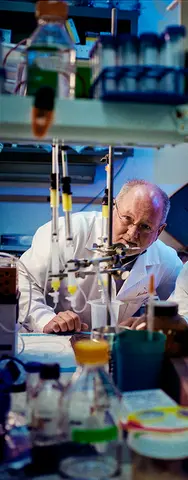
Prepare for a career in biomedical research. The Biochemistry, Cellular and Molecular Biology Graduate Concentration prepares students for careers in biomedical research. Specific employment opportunities for graduates include traditional university professorships as well as positions in biotechnology and pharmaceutical industries, governmental appointments, and others. The concentration has faculty members with internationally recognized research programs in reproductive biology, diabetes and obesity, structural biology, development, molecular biology, cell biology, translation, cancer, and other diseases.
Develop the skills to drive scientific discovery. Our primary mission is to perform original, cutting-edge research that leads to new discoveries on the molecular mechanisms of biomedical science and disease, and to educate and mentor a diverse group of trainees for careers in biomedical research.
Investigate problems at the molecular level. This is a research-based concentration with coursework designed to teach students how to approach and solve modern problems in biochemistry, cellular and molecular biology. The didactic curriculum includes the GSBS core courses (Molecules, Cells, Genes), and two advanced courses that examine concepts on the forefront of biochemistry, cell and developmental biology, molecular biology, and cancer biology.Begin with hands-on research rotations. During the first year of study, students progress through research rotations in three laboratories to aid in the choice of research mentor. Students with strong backgrounds in biology, biochemistry, chemistry, biomedical engineering or other biological sciences will be well suited for this concentration.
-
The Department of Immunology and Molecular Microbiology integrates several different disciplines (immunology, bacterial pathogenesis, virology, parasitology and molecular biology) to provide students with a unique educational experience leading to a PhD degree concentrated in Immunology and Infectious Diseases. This multidisciplinary concentration is one of six major programs offered by the Graduate School of Biomedical Sciences at the Texas Tech University Health Sciences Center.
-
The PhD program is designed primarily to train students for careers in biomedical and life sciences. Traditionally, graduates have found employment opportunities in academia and industry, including research and/or teaching in universities, biotechnology industry, and governmental agencies.
The core curriculum that is shared by all concentrations in the first semester of year one is used as a foundation for more specialized courses tailored to the students' specific needs. Faculty research programs are diverse, encompassing the general areas of structure-function studies, biochemistry and structural biology of membrane proteins, as well as some areas of cell and tissue physiology. Most of the research focuses on membrane proteins, and our Faculty has a close relationship with the Center for Membrane Protein Research (CMPR). Specific areas of research include membrane proteins (ion channels, transporters), membrane biophysics, and cell biology and physiology of the lung. The proteins of interest are associated with important diseases or disorders that include cardiac arrhythmias (potassium channels, connexins), genetic diseases (cystic fibrosis, migraine, deafness), neurological diseases (nAChR family; epilepsy, addiction, Alzheimer, Parkinson) and cancer (multidrug-resistance proteins, folate transporter).
Techniques that students may acquire vary widely and may include:
- Molecular biology (e.g., cloning, site-directed mutagenesis, library construction)
- Biochemistry (e.g., protein characterization, purification and activity)
- Biophysics (e.g., X-ray crystallography, electrophysiology (patch-clamp), spectroscopic methods that include fluorescence, FT-IR, CD, EPR)
- Cell biology (high-resolution imaging, biochemistry of cell signaling)
- Heterologous (over)expression of recombinant proteins
Applicants should have a demonstrated interest in research. All candidates for graduate degrees who hold assistantships must fulfill certain requirements while appointed as assistants.
-
The objective of the Translational Neuroscience & Pharmacology graduate concentration is to prepare students for a broad range of potential careers, including research and teaching.
The Faculty of the graduate concentration seek to:
- Foster a creative and productive research environment
- Provide encouragement and positive challenge
- Equip students with the intellectual tools and critical thinking skills they will need to be effective teachers, investigators, etc.
Specialized research training is available in the following areas
- Brain health
- Pain
- Neuroplasticity
- Alcohol use disorder
- Neurodegenerative Diseases
- Stroke
- Cancer
Concentration Information
All Biomedical Sciences PhD students are admitted as Undeclared and may later select a mentor within the Translation Neuroscience and Pharmacology graduate concentration. In addition, the department houses the Center of Excellence For Translational Neuroscience and Therapeutics (CTNT), a team of both basic science and clinical faculty with research interests focused on all aspects of translational neuroscience.
How to Apply
Application Fee
There is a $45 non-refundable application fee, if you need financial assistance for this fee, please, contact our office.
Transcripts
We require official transcripts from all U.S. institutions attended, including those institutions for which you received transfer credit toward your undergraduate degree.
Electronic official transcripts from U.S. institutions are preferred and should be sent to: graduate.school@ttuhsc.edu.
Do not send international transcripts and/or mark sheets. See Application Instructions for more information.
Hard copy official transcripts should be mailed to:
Texas Tech University Health Sciences Center
Graduate School of Biomedical Sciences
3601 4th St. MS 6206
Lubbock, TX 79430-6206
Admission Requirements
It is the responsibility of the applicant to make sure that their application is complete by the application deadline to be considered for admission. Incomplete applications will not be reviewed for admission. Applications are reviewed on a rolling admissions basis.
Application Components
A complete application is comprised of the following:
- A completely submitted application on BioRaider.com, which includes an Essay/Personal Statement
- At least 2 letters of reference written within the year of application
- Paid Application Fee
- Official College Transcripts for all institutions attended
*Please note that the GRE or MCAT is optional.
Test Scores
GRE is optional. GRE scores can be submitted using the ETS Institution Code 6851.
Academic Admission Criteria
Students may have a Bachelor's degree in any field but must include typical science courses (Chemistry, Biology, Zoology/Animal Science, etc.). A strong science background is encouraged.
The admission process for the Graduate School of Biomedical Sciences (GSBS) is more than just an application. To ensure that applicants can succeed in a graduate program, an applicant's personal qualities, work experience, and ability to work with different ideas and personalities within a program are also important admission factors.
Admission to any graduate degree program is granted by the Dean of the Graduate School of Biomedical Sciences upon the recommendation of the GSBS Admissions Committee and/or the program faculty.
Academic Admission Criteria
Average GPA of students offered admission is 3.41.
Average GRE of students offered admission is 309.
Cost & Aid
Access information about tuition and fees, along with scholarships and financial aid resources, to help you plan and finance your education at TTUHSC.
Tuition & Fees
The following information is not intended to be comprehensive and is subject to change. Tuition, fees, and charges are subject to change by administrative, legislative, or regent action, and changes become effective on the date enacted. The following tuition information should be used only as a guideline for estimating charges.
Scholarships & Financial Aid
Our goal is to make obtaining a college degree within reach by supporting you with financial aid and scholarships programs. TTUHSC relies on a variety of financial aid sources to increase the university's affordability. This may include scholarships, grants, student loans, and waivers. As a student, please know that you and your family have a dedicated financial aid advisor who can assist you with this process.
Apply for Scholarships Apply for Financial Aid Apply for GSBS Financial Aid
Military/Veteran
Explore financial resources, benefits and support available to military members and veterans.
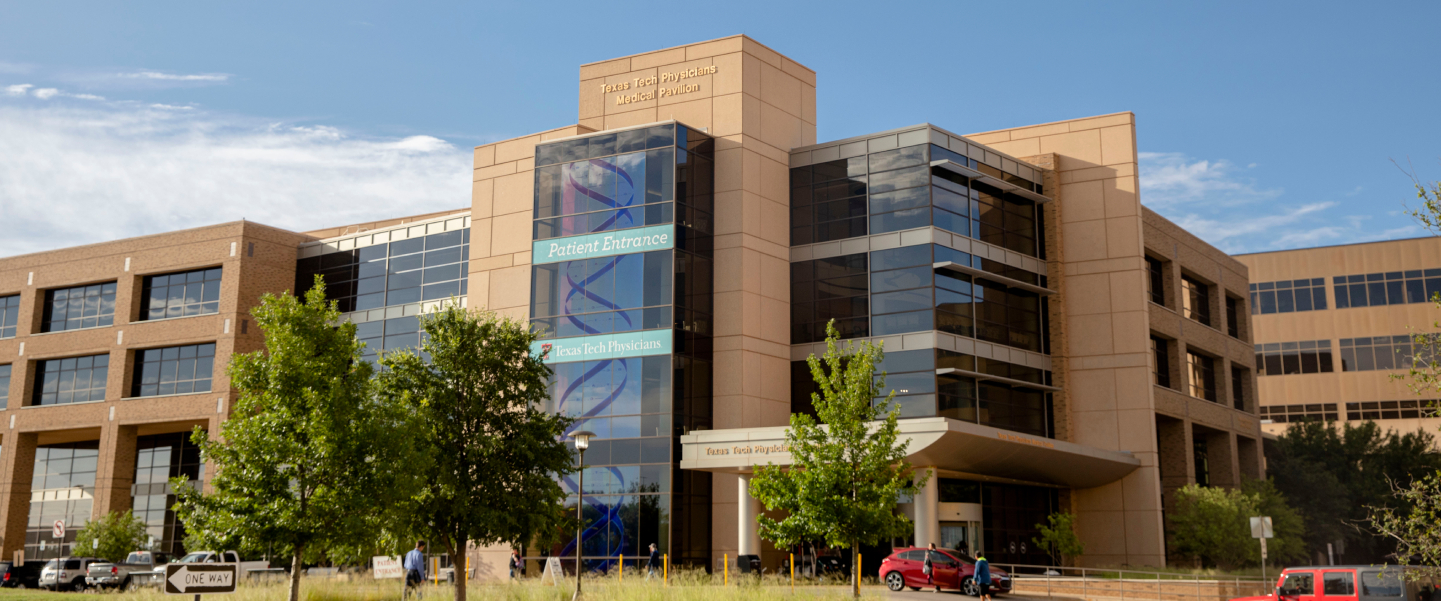
Contact Us
We're here to help. Contact us if you have questions.
-
Address
3601 4th Street
Lubbock, TX 79430
United States
- Phone 806-743-2556
- Email graduate.school@ttuhsc.edu
-
Hours
8 a.m. - 5 p.m. Monday to Friday