


Helpful Reminders for Breast Cancer Awareness Month
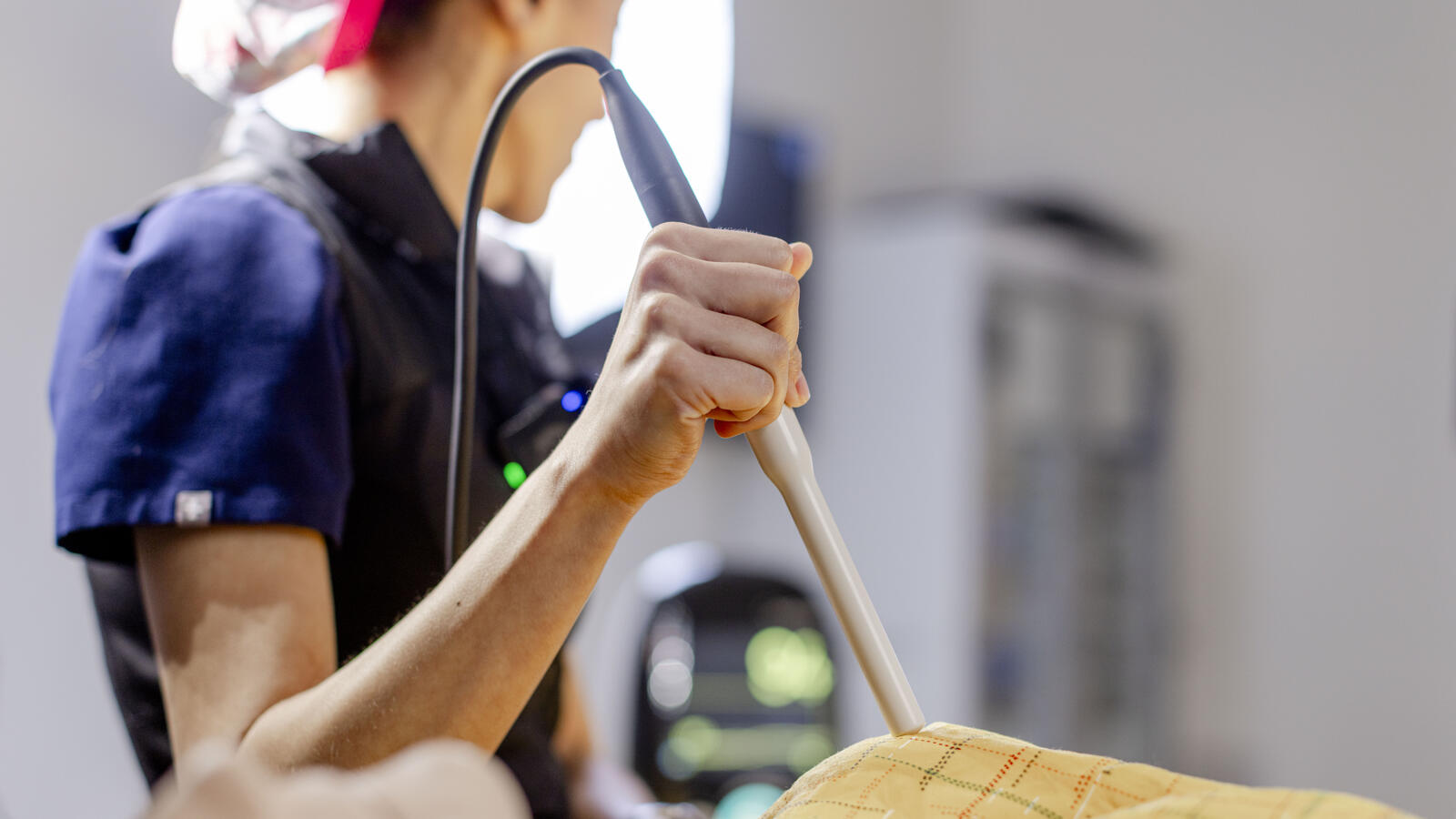
October is Breast Cancer Awareness Month, providing an opportunity to shed light on a disease that impacts so many lives.
Breast cancer is unfortunately prevalent, with 1 in 8 women being diagnosed in their lifetime.
Karla Daniele, M.D., a breast surgical oncologist with Texas Tech Physicians in Lubbock, and Teresa Baker, M.D., an OB-GYN at Texas Tech Physicians in Amarillo, offered some helpful information on prevention, early detection and treatment for breast cancer.
The importance of early detection and proactive care
Individual risk factors such as family history, genetic predispositions and other exposures can influence a person’s likelihood of developing breast cancer.
Catching breast cancer early is critical because it makes treatment significantly less severe. Early-stage detection (stages 0 through 3) is treatable and curable, often allowing patients to undergo smaller surgeries and potentially avoid chemotherapy altogether. In contrast, stage 4 metastatic breast cancer is where the disease spreads to other parts of the body like the bones, liver, lungs, or brain.
“It's treatable, but it's no longer curable,” said Daniele. “So we want to make sure that we capture patients with the breast cancer diagnosis as early as possible.”
Being proactive about your breast health means maintaining regular exams, keeping up with scheduled mammograms and immediately bringing any changes—such as a lump or skin alterations—to the attention of your healthcare provider.
While the general recommendation is to start screening mammograms at age 40 for the average population, it’s best to ask your provider if you have any concerns. Baker noted that it can vary from patient to patient depending on their personal risk factors, including family history and personal medical history.
“If there are any high-risk factors like strong family history or, let's say, somebody finds a breast mass that they feel when they do a soft breast exam, then we would suggest that screening go down as early as maybe even 25 years old, depending on their family history and what exactly has been found,” Baker said.
Risk reduction and nursing
Many women believe that breast cancer is entirely genetic, but Baker emphasized that there are proactive steps you can take to lower your risk.
“There are many things we can do to change our risk of developing breast cancer. One of those things is to nurse. Every month that you nurse a baby, your risk of breast cancer goes down.”
Baker is the co-director of the InfantRisk Center, a research institute in Amarillo that serves as a world-wide call center, providing access to experts who can answer questions and address concerns for physicians, nurses, lactation consultants and mothers around the world.
At the InfantRisk Center, the experts know that nursing an infant decreases the risk of breast cancer, but don’t fully understand why yet. As women delay childbearing, Baker said that they have seen more women present who want to have children after a diagnosis of breast cancer, or after treatment of breast cancer.
“There are new studies that show that even if you have been treated for breast cancer in the past, if you have a pregnancy and go on to deliver and nurse, your chance of recurrence of breast cancer is no different. In fact, it may be better,” said Baker, who expressed that there is hope on the horizon for women who still desire a family after a breast cancer diagnosis.
Risk reduction and lifestyle
While many people attribute breast cancer strictly with genetics, there are many things we can do to change our risk of developing breast cancer.
Limiting the intake of alcohol and weight management are two ways to decrease the risk of breast cancer. The other thing, Baker pointed out, is being proactive. Understanding your lifetime risk through family history discussions or genetic testing can provide immense empowerment.
“Genetic testing can sometimes be heavy for women to think about—but it's information,” encouraged Baker. “If you know your lifetime risk is high, there are many things we can do, including using medications in your 20s that may delay the cancer diagnosis for many years.
“You have a lot of options, and knowledge is good,” Baker said. “So please ask questions.”
Options and support
Breast cancer can be a frightening diagnosis, but screenings are simple and imperative to getting the help you need. Upon the diagnosis of breast cancer, finding the right care team and support is essential. With an institution like Texas Tech Physicians, having access to clinical trials can be an advantage.
“Clinical trials are available for patients at all stages of breast cancer,” Daniele said. “Sometimes they're specific to that stage; sometimes they're encompassing their overall health. Since we are affiliated with a teaching institution, we have the ability of also partnering with basic scientists and translational scientists so we can offer our patients the latest technology study.”
Daniele also explained that something that sets Texas Tech Physicians apart is the ability to offer what she called “sensation sparing mastectomies.”
“For patients needing to undergo mastectomies, whether that is with or without reconstruction, we now have the ability of preserving sensation. For patients that undergo traditional mastectomies, they may undergo reconstruction, but the sensation to the chest wall area in the reconstructed breast is completely gone.”
This can pose risks for patients, as not being able to feel a body part makes you prone to injury.
“Also from an emotional standpoint, you're not able to feel your loved ones hugging you,” explained Daniele. “That is a very important component of the holistic care of breast cancer… I'm very excited that we have that ability to preserve that sensation now in restoring women's appearance and overall emotional state.”
Take control of your health
Breast cancer may be a frightening topic, but modern detection and treatment methods offer incredible hope. Whether you dread a diagnosis or you are hesitant because you don’t have coverage, reach out. There are grants and assistance programs that help people get the care they need. Find your options and don’t wait to prioritize your health.
Book an appointment with Texas Tech Physicians today to discuss your screening options, understand your personal risk factors, and take proactive control of your wellness journey.
The information presented in this post is based on the expertise and guidance of Teresa Baker, M.D., and Karla Daniele, M.D., to ensure accuracy and reliability.